

EU Sanctions 2026: List of Goods You Cannot Ship to Russia

EU sanctions in 2026 significantly restrict exports to Russia. Many categories of goods are now prohibited or limited for shipment, including electronics, clothing, cosmetics, and even musical instruments. Violating these rules may result in fines, confiscation of goods, or even criminal liability.
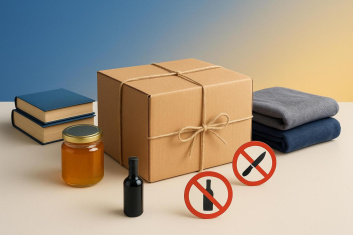
The following are the most common types of shipments that are prohibited (a full list is provided below):
-
- Alcoholic products, ethyl alcohol, beer, wine, and similar goods
- All products of animal origin
- Tobacco products and smoking mixtures
- Radioactive materials
- Cultural valuables
- Perishable food
- Precious stones (except finished jewelry)
- Equipment for harvesting aquatic biological resources*
- Weapons and items similar to civilian or service weapons
- Narcotic and psychotropic substances
- Medicinal products*
- Liquids in containers exceeding 200 ml
- Cash*
EU agrees on new sanctions against Russia
sbb-itb-016e869
Full list of sanctioned goods under EU regulations 2026:
The EU sanctions list covers a wide range of product categories, including:
Food and beverages
Caviar, caviar substitutes, truffles, soups and broths, processed food products, wine, beer, spirits, champagne, vermouth, fermented beverages, and ethyl alcohol.
Tobacco products
Cigars, cigarillos, and tobacco-containing products.
Cosmetics and personal care
Perfumes, cosmetics, skincare products, hair care, shaving products, deodorants, and similar items.
Leather goods and accessories
Handbags, suitcases, travel bags, wallets, and other leather or composite material products.
Electronics and household appliances
Smartphones, cameras, home appliances, data storage devices, and electronic equipment above certain value thresholds.
Clothing and footwear
All types of apparel, including outerwear, underwear, accessories, and shoes.
Jewelry and precious materials
Gold, silver, diamonds, gemstones, pearls, and related изделия.
Household goods and tableware
Porcelain, glassware, kitchenware, and decorative items.
Vehicles and spare parts
Cars, motorcycles, engines, and automotive components above specified value limits.
Watches and luxury accessories
Wristwatches, clocks, and components.
Musical instruments
Including high-value instruments and electronic equipment.
Sports equipment
Skis, bicycles, rackets, fitness equipment, and related goods.
Animals
Including horses and breeding animals.
Conclusion
EU sanctions in 2026, which now include over 40 amendments and 16 sanction packages as of January 2026, have made exporting goods to Russia significantly more complex. Many products are now restricted based on value thresholds, such as €200 for clothing and footwear, €750 for electronics, and €1,500 for musical instruments. Some categories — including smartphones, laptops, drones, and certain auto parts — are fully prohibited regardless of their value..
Each item must be checked using its CN (customs) code. Experts emphasize that:
“Checking each product individually is not optional — it is a legal requirement.”.
Errors in customs declarations or shipping restricted goods can lead to serious consequences, including revoked export permissions, confiscation of shipments, or delays. This makes professional logistics support especially important.
Companies like PMPaket help reduce these risks by verifying recipients against EU sanction lists, correctly preparing customs documentation, and calculating applicable duties (15% on amounts exceeding €200). PMPaket also offers flexible delivery options: express shipping within 8–16 business days and standard delivery within 21–24 days, with prices starting from €3 per kg.
Before sending a parcel, make sure your items comply with current regulations. Always provide accurate descriptions (avoid vague terms like “personal items”) and check that the recipient is not listed under EU sanctions.
Keep in mind: the final decision always rests with customs authorities..
FAQs
How does customs determine the price per unit, and what should you do without a receipt?
Customs authorities usually calculate the price per unit based on the so-called statistical value declared in the export declaration. This value reflects the actual price of the goods without VAT, but it may include transport and insurance costs.
What if there is no invoice?
If no purchase receipt is available, customs can determine the value themselves, for example by:
- Comparing the item with current market prices
- Using reference databases and similar products
What exceptions exist for personal items and humanitarian shipments?
Personal items and humanitarian shipments can be exceptions, but only if all rules are strictly followed.
Personal items: customs checks the quantity, condition, and purpose of the shipment. If it is clearly for personal use, it may be allowed.
Humanitarian shipments: supporting documents are required, and the shipment must fully comply with sanctions rules.
⚠️ The final decision is always made by customs..